
7 Senior Cat Health Changes You Shouldn’t Overlook
It may feel like it happened overnight, but cats don’t suddenly become seniors. Aging-related health changes develop gradually. And, because cats are experts at hiding discomfort, such changes are often easy to miss.
Here are seven commonly overlooked changes in senior cats and what they may be telling you.
7 Subtle health changes in senior cats
#1: Sensory changes (vision, hearing, smell)
As cats age, their vision, hearing, and sense of smell may decline. These changes can be mild or more noticeable. Most importantly, they can affect how your cat navigates their environment.
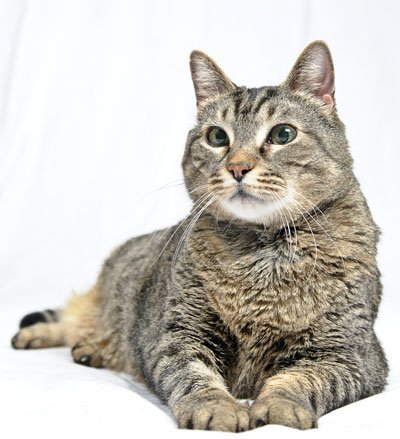
Although it can be difficult to notice small sensory losses, early signs can include:
- Bumping into furniture or walls
- Hesitating before jumping or navigating stairs
- Startling easily
- Sleeping more soundly
- Not responding to familiar sounds or voices
- Difficulty locating food bowls, treats, or favorite resting places
While some sensory loss can be a normal part of aging, it can also be caused by health issues such as high blood pressure or neurologic disease. If your cat is showing any concerning signs, book an appointment with The Cat Doctors to determine the cause.
#2: Mobility changes and stiffness
Many cat parents are surprised to learn that joint disease and arthritis are common in senior cats. Cats don’t often show obvious signs like limping or vocalizing, but instead express pain through changes in their behavior.
Pain-related behaviors can include:
- Hesitating or refusing to jump onto counters or furniture
- Taking longer to stand up after resting
- Avoiding stairs or high perches
- Decreased grooming, especially along the hips and lower back
- Irritability, hiding, or changes in litter box habits
Joint-related pain can interfere with your cat’s daily routine, including their interactions with family. Fortunately, modern therapies and lifestyle changes can help arthritic cats stay comfortable and active.
#3: Weight changes and muscle loss
Your cat’s body condition is a key indicator of their health. Paying close attention to their weight and muscle mass can help you notice early signs of age-related illness or decline. Common causes include arthritis, kidney disease, hyperthyroidism, diabetes, dental disease, and cancer.
Monitor your cat for changes such as:
- Weight loss or gain without a diet change
- A thinner appearance over the spine or hips
- Loss of hind leg muscle
- Weakness or difficulty jumping
- Prominent ribs or backbone
Catch these changes early with regular hands-on exams at home.
#4: Changes in litter box habits
Litter box changes are rarely behavioral for senior cats. Instead, they’re one of the most common early signs of an underlying health problem, such as kidney or urinary tract disease, gastrointestinal issues, or arthritis.
Contact The Cat Doctors if you notice changes such as:
- Urinating or defecating outside the litter box
- Avoiding or struggling to enter the box
- Straining to urinate or defecate
- Vocalizing while urinating
- Increased frequency or urgency
- Changes in urine or stool (blood, diarrhea, unusual odor or color)
If your cat is straining and producing little to no urine, this may be an emergency. Contact The Cat Doctors immediately.
#5: Sleeping more or decreased activity
Senior cats typically sleep more than younger felines, but a noticeable decrease in activity can signal pain or illness.
This may look like:
- Low or no interest in play or favorite activities
- Spending more time resting or hiding
- Less interaction with family members
If your cat seems quieter or less engaged than usual, it’s time to investigate. Request an appointment.
#6: Behavior or personality changes
Your aging cat’s behavior reflects their internal health. Paying close attention can help you spot subtle clues of chronic pain, sensory loss, or age-related cognitive decline (dementia).
These changes may include:
- Increased vocalization
- House soiling
- Confusion or disorientation (e.g., getting lost in familiar spaces)
- Clingy behavior or withdrawal
- Irritability or aggression
Uncharacteristic behaviors can be distressing, but may be manageable with an accurate diagnosis. Never punish your senior cat; instead, schedule an appointment to find out what’s causing their abnormal behavior.
#7: Changes in appetite or thirst
Your cat’s eating and drinking habits are classic indicators of health or illness. Changes can be an early sign of a range of disorders, including kidney or dental disease, diabetes, hyperthyroidism, and cancer.
Since increased or decreased appetite or thirst can lead to rapid changes in health, timely care is key.
Simple ways to support your senior cat
You play a vital role in protecting your senior cat’s well-being. Small, consistent efforts can help ensure their comfort at every life and health stage. Our recommendations include:
- Scheduling regular senior wellness exams and recommended lab work
- Keeping notes on any changes in their routine
- Feeding a complete and balanced, veterinarian-recommended diet
- Providing a senior-friendly home with low-entry litter boxes, ramps, and soft bedding
- Staying proactive and alerting The Cat Doctors to any concerns, no matter how minor they seem
Helping them age gracefully
It’s natural to remember your cat as the energetic kitten they once were, but recognizing and addressing early age-related changes honors who they’ve become and helps ensure they remain comfortable, healthy, and happy for as long as possible.
If you’ve noticed a change in your senior cat’s behavior, routine, or habits, The Cat Doctors team is here to help. Contact us to schedule a visit or book now online.