
The Power of the Routine Exam
Cats are secretive creatures. It’s part of why we love them.
But it’s also why it can be difficult to know when something’s wrong.
Fortunately, the routine wellness exam is a simple and powerful way to stay on top of your cat’s health and spot hidden issues sooner, before they affect your cat’s quality of life. In this blog post, The Cat Doctors reveal some of the most common, sometimes surprising, conditions we diagnose during these exams and explain how often cats should have routine exams.
Dental disease in cats
Your cat’s teeth may look normal, but your veterinarian’s trained eye can recognize the earliest signs of dental disease, including changes to their enamel and gums. Early intervention, including a comprehensive dental cleaning and X-rays under anesthesia, prevents the condition from worsening and helps your cat avoid unnecessary pain, infection, and tooth loss.
Subtle changes in weight or muscle mass
While it’s easier to notice if your cat suddenly gains or loses weight, gradual changes can be more challenging to recognize. This is especially true for cats with thick or fluffy coats. Subtle weight changes are important and can be early indicators of serious feline medical conditions, including:
- Hyperthyroidism
- Kidney disease
- Diabetes
- Chronic pain or arthritis
- Cancer
- Obesity or malnutrition
Regular exams allow our team to monitor your cat’s body condition, including fat and muscle, and identify trends over time. Such changes could be the first signs of a hidden disease or nutritional imbalance.
Hidden pain, arthritis, and mobility changes
Cats rarely limp when they’re in pain. Instead, pain from arthritis or joint problems often results in behavior changes. This may appear as reduced jumping and climbing, avoiding the stairs or using them slowly, grooming less, or sleeping more.
During your cat’s exam, the veterinarian will observe your cat’s movement and posture, palpate their muscle tone and joints, and ask you questions about their activity. Their findings will help pinpoint areas of pain or weakness associated with musculoskeletal conditions.
Lumps, bumps, and skin conditions
Cats can develop a wide range of skin conditions, from infections and allergies to harmless growths and cancer. Many of these issues look similar on the surface, making physical examination and diagnostic testing key to an accurate diagnosis.
Your cat’s exam allows us to thoroughly examine their skin and coat for early detection of changes and, if necessary, prompt testing and treatment.
Heart and lung changes
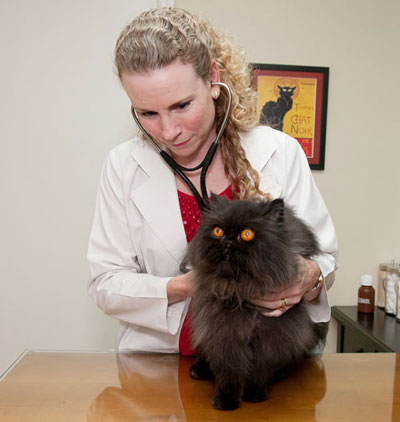
Feline heart disease affects up to 15% of cats and often occurs without noticeable signs. During your cat’s exam, the veterinarian will use a stethoscope to detect subtle changes in heart rhythm, heart sounds, and breathing patterns. These are often the first signs of a more serious problem.
Fortunately, early detection is your cat’s best chance for health because it allows for continued monitoring, additional diagnostics, and early intervention. When caught early and properly managed, cats with heart disease can enjoy comfort and quality of life.
Kidney and urinary health
When it comes to your cat’s urinary tract health, veterinarians think inside and outside the box. Conditions like kidney disease and urinary problems often begin with mild signs, such as increased thirst, weight loss, and changes in appetite or litter box use. Your veterinarian will use a combination of exam findings, routine lab work, and the information you provide about your cat’s behavior to determine what is going on. Early diagnosis and intervention are key, as they can help slow disease progression and support your cat’s quality of life.
Behavior changes
Your cat’s behavior can reflect their internal health. Unusual changes such as hiding, irritability, vocalizing, increased or decreased litter box use, attention-seeking, or decreased interactions can be caused by pain, illness, stress, or cognitive decline (dementia).
Reporting any changes in your cat’s behavior or personality can help your veterinarian rule out medical causes. This is important to do before trying to correct or modify your cat’s behavior through training. If an underlying health issue is to blame, corrective training can worsen stress or discomfort.
“But my cat seems fine”: The role of wellness testing
Routine wellness testing, including blood work, urinalysis, and intestinal parasite screenings, gives your veterinarian valuable information about your cat’s organ function and overall health.
Even normal results become a useful part of your cat’s medical record. Normal results establish a baseline for your cat, allowing future changes to be recognized more quickly and enabling a faster, more accurate diagnosis.
How often does my cat need a routine exam?
The frequency of your cat’s routine exams will depend on their age and health. Our standard recommendations include:
- Kittens: Every 3 weeks until their vaccine series is complete
- Healthy adult cats: Every 6 months
- Cats with chronic conditions (such as diabetes, thyroid or heart disease, etc.): Every 3 to 6 months
Still unsure? Contact our team for a personalized recommendation for your cat.
Protect your cat with proactive care
No one knows your cat quite like you do, but your sneaky sidekick can still keep a secret!
Routine exams at The Cat Doctors help uncover what your cat isn’t telling you and provide timely, expert care. Understand your cat’s health—and how to protect it—by booking their next exam online or contacting our team.