
Florida Parasites and Cats
Why Year-Round Prevention Is Essential
Here in Florida, our warm, humid climate attracts beachgoers and snowbirds—and harmful parasites. And unlike seasonal visitors, these tiny pests never leave. Fleas, mosquitoes, and other parasites thrive year-round, feeding on unprotected cats, infesting homes, and spreading disease.
While that may sound unsettling, understanding Florida’s unique parasite landscape is the first step in protecting your feline friend. The bottom line? When parasites don’t take a break, your cat’s prevention can’t either.
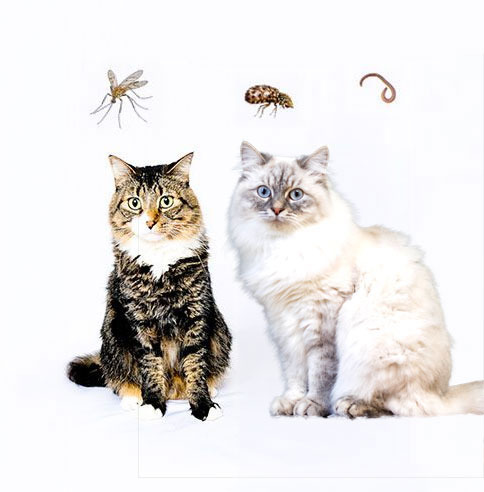
Florida parasites don’t play by the rules
In many parts of the country, cold winter temperatures slow or stop parasite activity. Although not recommended, some pet owners in those regions pause parasite prevention during colder months. In Florida, however, fleas and mosquitoes are present—and multiplying—all year long.
Our heat and humidity create ideal conditions for parasites to reproduce rapidly. Moisture in the air, standing water, and warm indoor environments allow parasites to flourish both outside and inside your home. For cats, this means there is no true “off-season” for parasite risk.
Common Florida parasites that affect cats
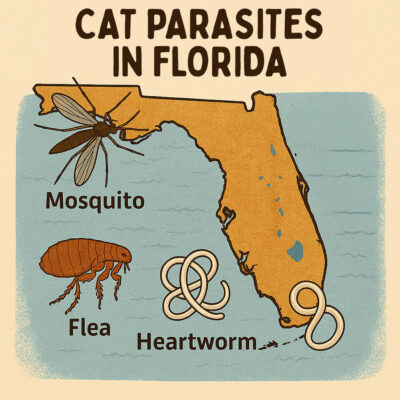 The two most common parasites cat caregivers should be aware of are fleas and mosquitoes.
Fleas
Fleas are by far the most common and frustrating parasite for cats. One flea bite can trigger intense itching, skin inflammation, and hair loss, especially in cats with flea allergy dermatitis (FAD).
Cats are meticulous groomers, which means flea infestations frequently go unnoticed until irritation is severe. Worse still, fleas don’t only live on your cat. They inhabit your entire home by laying eggs that fall off your cat onto carpets, furniture, and bedding. One flea can turn into a full-blown infestation in only weeks—biting and feeding on pets and people alike.
Finally, fleas can also carry tapeworms, an intestinal parasite that infects cats when they swallow infected fleas while grooming.
Mosquitoes
Cat owners are often surprised to learn that mosquitoes pose a serious risk to their feline friends. Like dogs, cats are susceptible to life-threatening heartworm disease.
Heartworm disease in cats differs from that in dogs and is more difficult to detect. Some cats show no symptoms until they are critically ill, while others may experience lung inflammation, difficulty breathing, vomiting, collapse, or sudden death. Sadly, there is no approved treatment for heartworm-positive cats, only medications to manage their symptoms and provide comfort.
Prevention is the only protection for cats.
What happens when parasite prevention is inconsistent or seasonal
Missing even one monthly dose can leave your cat vulnerable to discomfort or disease. This is because preventive medications don’t merely repel or kill parasites; they interrupt their life cycle. When prevention is paused, even for a single dose, possible outcomes include:
- Newly hatched fleas can mature, feed, and begin reproducing
- Heartworm larvae can mature and cause lasting damage
However, since these problems often develop quietly, especially in cats, you likely won’t know until it’s too late. Year-round prevention eliminates these risks and also prevents you from forgetting to resume seasonal protection.
Why indoor-only is no defense
Indoor-only cats are well protected from many dangers, but not parasites. Fleas and mosquitoes can enter your home by:
- Hitching a ride on clothing, shoes, or bags
- Coming in through screens, doors, or open windows
- Being carried inside on visiting pets or people
Once inside, parasites thrive in climate-controlled homes and can infest carpets, furniture, and bedding. This puts indoor cats at risk for fleas and heartworm disease, even if they never go outside.
Our recommendation: Year-round prevention for every cat
Year-round parasite prevention—including a flea and tick preventive and a heartworm preventive that includes protection against intestinal parasites—is now recommended for all pets throughout the U.S. by leading veterinary organizations, including:
- American Veterinary Medical Association (AVMA)
- American Animal Hospital Association (AAHA)
- Companion Animal Parasite Council (CAPC)
In line with these recommendations and recognizing our subtropical climate, Tampa Bay Animal Hospitals strongly advocates year-round prevention for every cat.
Partnering with you to protect your cat
The good news? Protecting your cat has never been easier or safer. Today’s feline-friendly preventives are designed with cats’ unique needs in mind, offering effective, trusted protection and simple, stress-free application.
If your cat isn’t currently receiving flea, tick, and heartworm prevention, The Cat Doctors team will recommend the best option based on your cat’s age, health, lifestyle, and
preferences—including whether an oral or topical formula is less stressful. Our top choice for most of our patients is Revolution® Plus, a monthly topical preventive that is safe, effective, and easy to apply.
Florida may be paradise for us, but it’s one we must share with a few unwelcome guests. Fortunately, with year-round prevention, fleas and mosquitoes don’t have to compromise your cat’s health, comfort, or quality of life. Contact The Cat Doctors to ask about your cat’s parasite prevention plan or request an appointment online.